
AATD & COVD-19 Project
A TWO-YEAR PROJECT
Design Research & Services Design
This project consists of three stages:
First
How COVID-19 affects patients with Alpha-1 Antitrypsin Deficiency (AATD) to know the journey of the disease and give insight into the experiences of this group. Quantitative and qualitative research is conducted through interviews with patients and medical specialists.
Second
Given the large flow of information on COVID-19 and in contrast to the lack of information on AATD, an area of opportunity was identified to raise awareness of AATD through COVID-19 by employing an academic poster published in Economía Creativa (2021) by CENTRO and exposed during the two conferences, a national (Mexico) and a global one.
Third
A case study to understand the importance of design implementation in healthcare and the use of design methods in the health sector to improve patient outcomes was analyzed as a dissertation.
What is Alpha-1 Antitrypsin Deficiency?
-
Alpha-1 Antitrypsin Deficiency (AATD) is an inherited genetic disease of European origin characterized by an increased risk of illness in the lungs and liver, among other organs. Additionally, it is distinguished by a low percentage of the AAT protein that acts as an anti-inflammatory and protection source for the lungs. This protein is produced in the liver, and the liver of the patients does not release the protein due to low production levels. Consequently, as the protein accumulates, liver damage develops. People with AATD can suffer from chronic obstructive pulmonary emphysema (COPD), cirrhosis, and other medical issues.
The deficiency is not yet well known to the public, as there is little information available, and most people have never heard of the subject. The medical community is also unaware of the disease, and patients with lung problems are rarely tested, leading to inaccurate information due to a lack of diagnoses worldwide.
To date, there is no known cure for the disease, but there are treatments that help reduce lung damage, such as respiratory therapy, lung and liver transplantation, and augmentation therapy. Patients take this treatment throughout their lives which consists of receiving a weekly dose of AAT protein intravenously to help the lungs. However, there is currently no treatment for liver damage.
First Stages
How COVID-19 affects patients with AATD
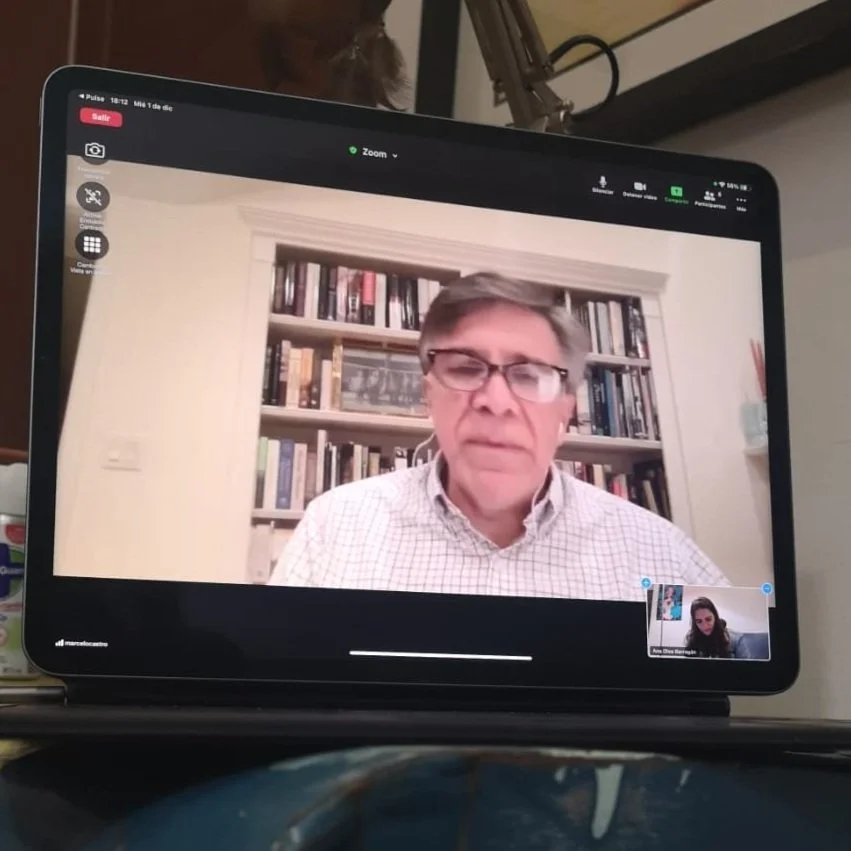
The pandemic altered the lives of everyone, especially the high-risk population, such as the elderly, diabetics, and people with chronic diseases. Researcher Ana Olea, a student of the Master's in design studies at CENTRO, conducted the current research to identify the repercussions of people with AATD who contracted COVID-19. AATD is a degenerative and genetic disease from Northern Europe that affects the lungs and liver.
At the start of the pandemic, Ana was diagnosed with AATD deficiency and faced with questions to which doctors had no answers. E.g., What will happen if I contract COVID-19? Because of her need to know the answer to this question and to inform of the risks, care, treatments, and preventive measures to be taken from the diagnosis, Ana started a long journey to investigate more about this rare disease.
This research is multidisciplinary because it employs diverse aspects such as design studies, data humanism, data design, and communication to disseminate AATD and the implications of COVID-19 (a highly unknown deficiency) in the context of the pandemic in the medical sector.
The methodology used in this research was qualitative. Five interviews were conducted to gain insight into the experience of COVID-19-infected AATD patients residing in the United States.
Four design tools were employed to accurately reflect patients' emotions: the empathy map, patient profiles (whose names have been changed for privacy reasons), the client journey, and a systemic map with the implementation of UX (User Expricienes) because it places the user on the center of the research.
The most important finding was that Alphas (people with AATD) need to take exaggerated measures to avoid contracting the virus, as they are considered a high-risk population. However, the talk of preventative measures by everyone around them has made those infected feel ashamed and unwilling to share their story. We hope these stories can make people empathize with patients and motivate them to get tested so that undiagnosed Alphas can begin the right treatment.
Second Stages
Disseminating and creat awareness of AATD through COVID-19
The showcase of this project with both, the publication of the academic poster in the journal of Creative Economy of CENTRO, and the congresses in the medical sector specialized in Rare Diseases seeks to publicize the AATD through something as well-known as COVID-19 empathizing with the stories of patients.
By designing the academic poster with the findings of the research carried out in the previous stage, it is sought that the reader can empathize with the experiences and pain of patients through their experiences; while highlighting the importance of AATD and educating the public about this rare and yet unknown disease.Salud con los Expertos Segunda Jornada de ER - January 2022
Salúd con los Expertos Segunda Jornada de ER -January 2022
International conference, sharing findings on research on rare diseases in Mexico.
Presentation
International conference, sharing findings on research on rare diseases in Mexico and the relevance of design methods in the health sector. Exposition regarding importance of AATD in the country and what remains to be done in order to combat the various systematic issues.
NORD Rare Diseases and Orphan Products Breakthrough Summit - October 2021
Two days of insightful and engaging speakers, sessions, and networking at the most important event in rare disease saw record-breaking attendance.
Poster Session
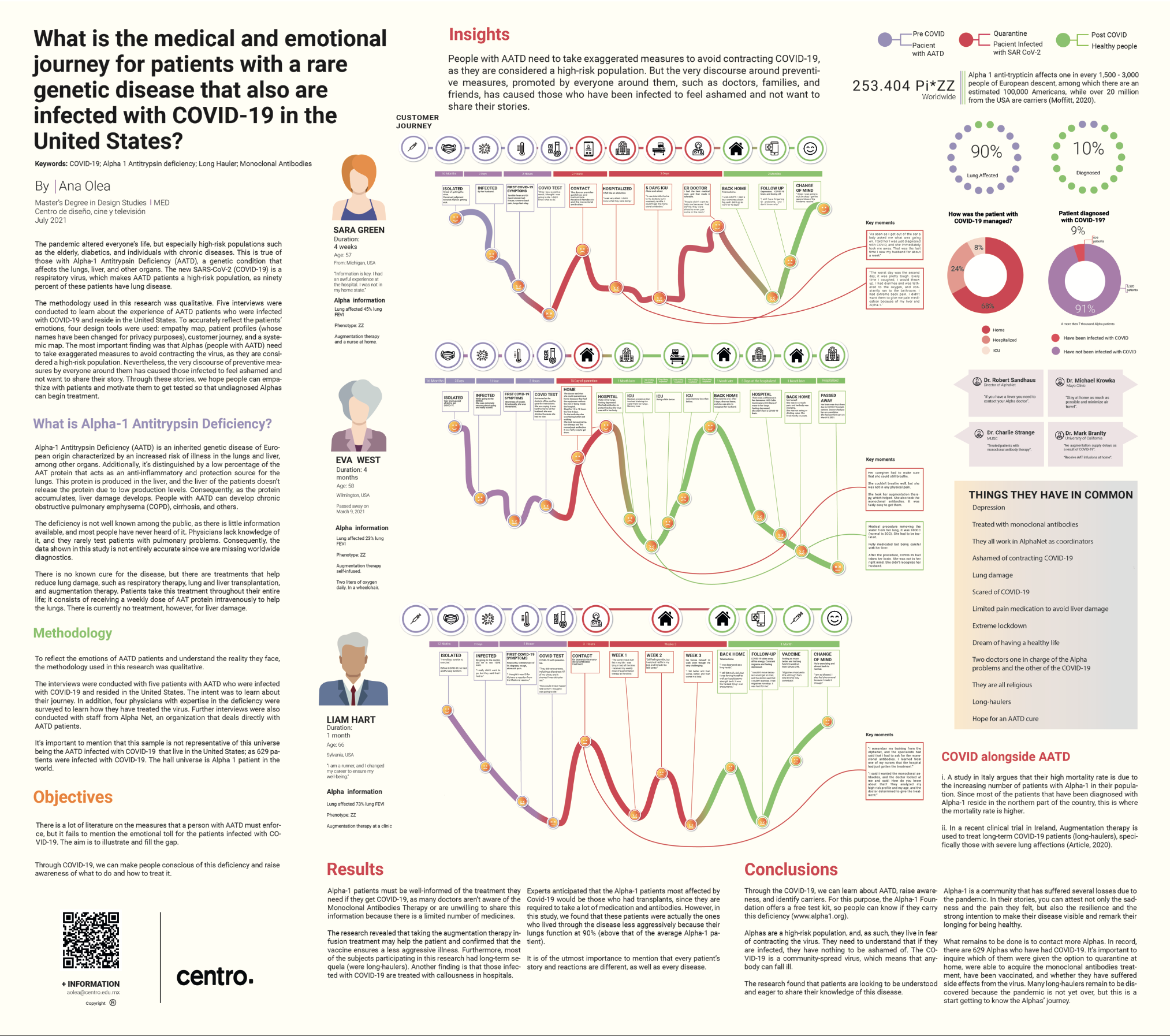
Global conference to address and act on the opportunities and challenges facing the rare disease community. Presented an academic poster containing insights and identifying the repercussions of people suffering from AATD and who contracted COVID-19—showcasing the different experiences of AATD patients through storytelling, design methods, data visualization, and user experience.
Third Stages
The fusion between design studies, visibility, and dissemination of rare diseases through an academic poster.
Olea's research involved qualitative and quantitative aspects: the results of the findings are presented in the academic poster entitled: "What is the medical and emotional journey for patients with a rare genetic disease infected with COVID-19?".
The project highlights graphic designs through visualization and design studies by implementing the previously mentioned methods. With graphic design, it was achieved that the attendants of the conferences were more interested in the presented topic.
By design studies, implementing these methods led to specific findings focused on the user that, through other ways, would not have happened.
Also, thanks to this, it was possible to reach a deeper understanding of the patient's problems and their emotions, both pain and happiness, and an understanding of their needs.
During the project, it was realized that thanks to the development of an empathy map, patient profiles, and a journey map, empathy is achieved on a personal level with the patients since the experiences shared in the interviews show this group has suffered a lot.
These stories show what patients experienced because of the virus and their deficiency, including hard moments like the loss of a loved one and beautiful moments like the kindness of the medical staff. Through their words, we can understand the meaning of isolation. During pandemic times, they did not leave their homes, and, in most cases, a doctor's appointment gave them the virus.
Unfortunately, one insight to note is that AATD patients feel ashamed of contracting COVID-19, and this should not be the case because it is a community-spread virus, and anyone can get it.
Ana used design study methods such as empathy map, journey map, use of systems thinking, patient profiles, stakeholder map, and journey map to represent the narratives of these patients.
These methods provide a unique point of view when understanding the medical system in the field of RD, specifically AATD and COVID-19.
Thanks to the use of these tools, I was able to find out about health care deign and the importance of empathy when creating the design of the experience.
The tools used are based on the following design tools.
Next, a brief definition of the concept and how and why it is used on the project.
Please scroll to the right to read more.
Desing Methods
-
![]()
Patient Journey Mapping
Understanding and improving how patients experience their care is increasingly recognized as one of the critical components to successfully delivering high quality treatments (Sijm-Eeken et al., 2020).
To visualize the patient's journey, the patient's experience was divided into three stages: Pre COVID-19, Quarantine, and Post COVID-19. Both the medical and emotional issues of each patient were identified through the interview.
-
![]()
User Persona
It´s inspired by the method actors use to develop a character to make a more realistic performance, according to the role they are to play. Similarly, designers and developers employ different stages of the design and development process for patients and remember who it is being made for, helping to keep users in mind throughout the development process (Cooper et al., 2014).
The interview method was used to retrieve important information about the patients who were asked. Medical knowledge was collected, such as their phenotype, pulmonary condition, and whether they received augmentation treatment. The key elements of the questions were highlighted; they were also questioned about their dreams, fears, what they like to do, what makes them, and what they do not want to do; a fact to highlight is that they all said that their dream is to have a cure for Alpha. This process was carried out with each patient.
-
![]()
Systemic Map
At the beginning, it is easy to associate it with a process map (this happens because both begin with the same steps). However, the difference relies in the objective: to identify the value proposition, incongruities, and opportunities for our business model. (Gallegos, 2016).
Why do we need a systemic map?
To acknowledge the problems of AATD with COVID-19.
To have a point of view from the genetic to the disease itself, leading to the conclusion that the flow of the Alpha 1 antitrypsin protein is not released, causing pulmonary and liver affections, when patients contract the pulmonary virus, they are affected, that is why they are more vulnerable.
-
![]()
Empathy Map
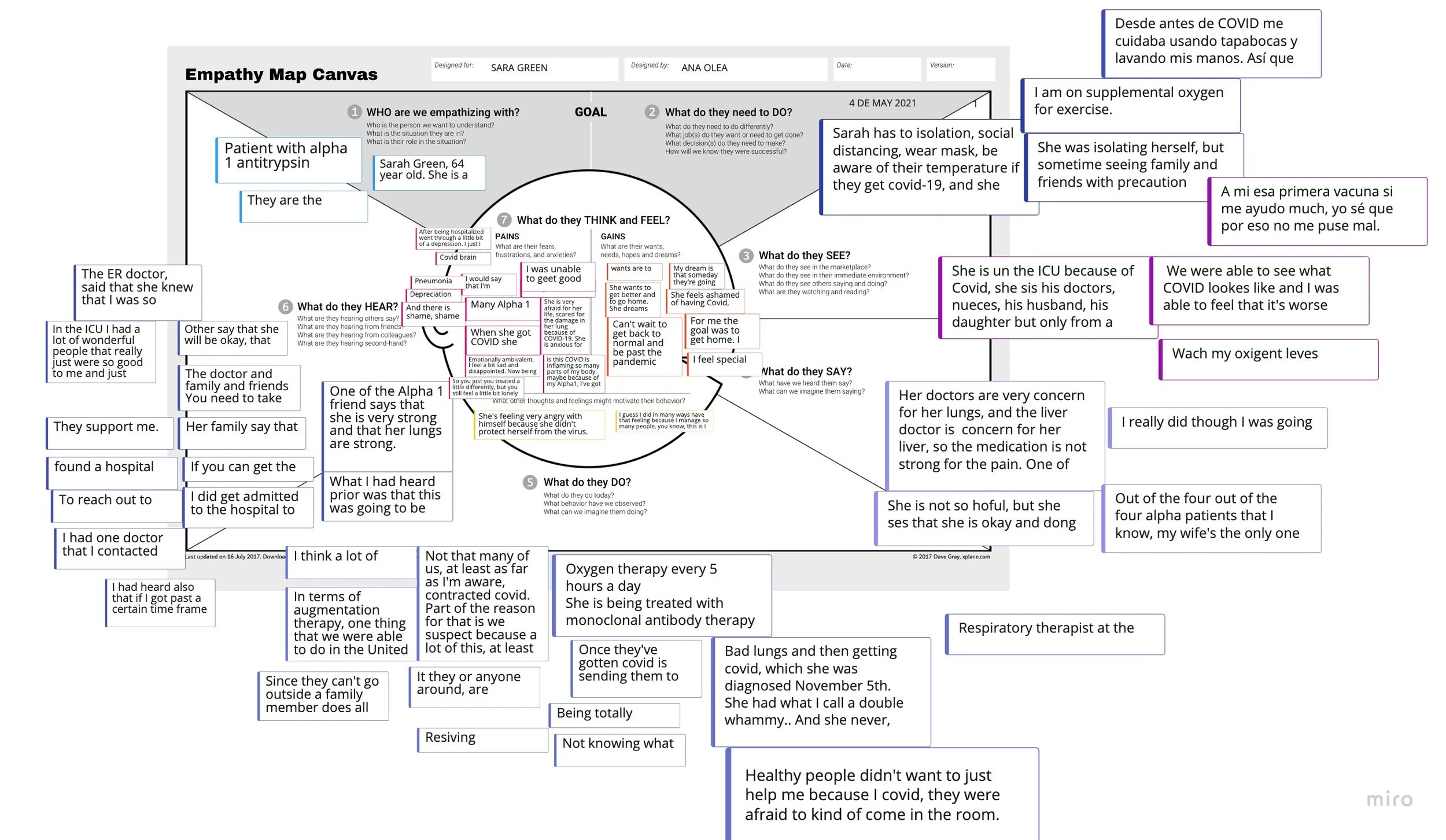
Method used by actors to develop a character to make a more realistic performance, according to the role they are to play. Similarly, personas are used by designers and developers to keep users in mind at different stages of the design and development process. Therefore, they remind whom one designs and help to keep users in mind throughout the design and development process (Ferreira et al., 2015).
A pivotal element to comprehending Alphas in detail, the attributes to be highlighted were identified: the patient's feelings. Investigated how to use the instrument and acquired it. At the end of the expert and patient interviews, I Made index cards with the most relevant findings. Subsequently, filled empty boxes with demographic information, behaviors, motivations, emotions, and medications about Alphas and COVID-19. Responses were reviewed with an AATD patient and a subject matter expert for final editing.
-
![]()
Stakeholder Map
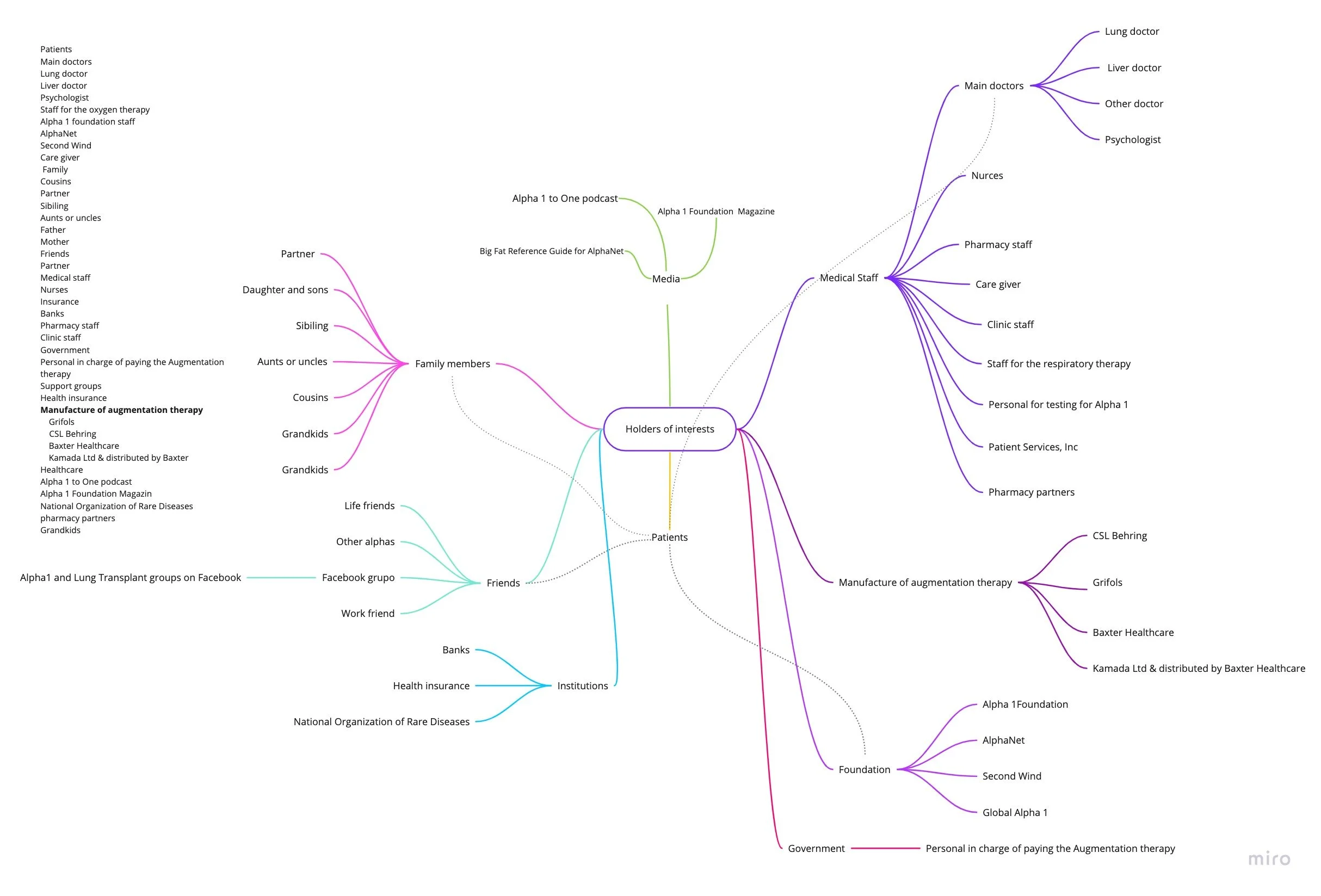
Represents all parties involved in a project, which aims to clarify roles and relationships. Depending on the specific need, the map can be created as a simple quadrant with two axes (level of influence and level of interest or commitment in the process) or as a more complex motivational matrix (detailing what each stakeholder brings to each other through the service project) (Giordano et al., 2018)
To understand the environment, obtained a visualization chart with the ideas. As a result, an understanding was reached that the system is much more complex because many different actors make this system.
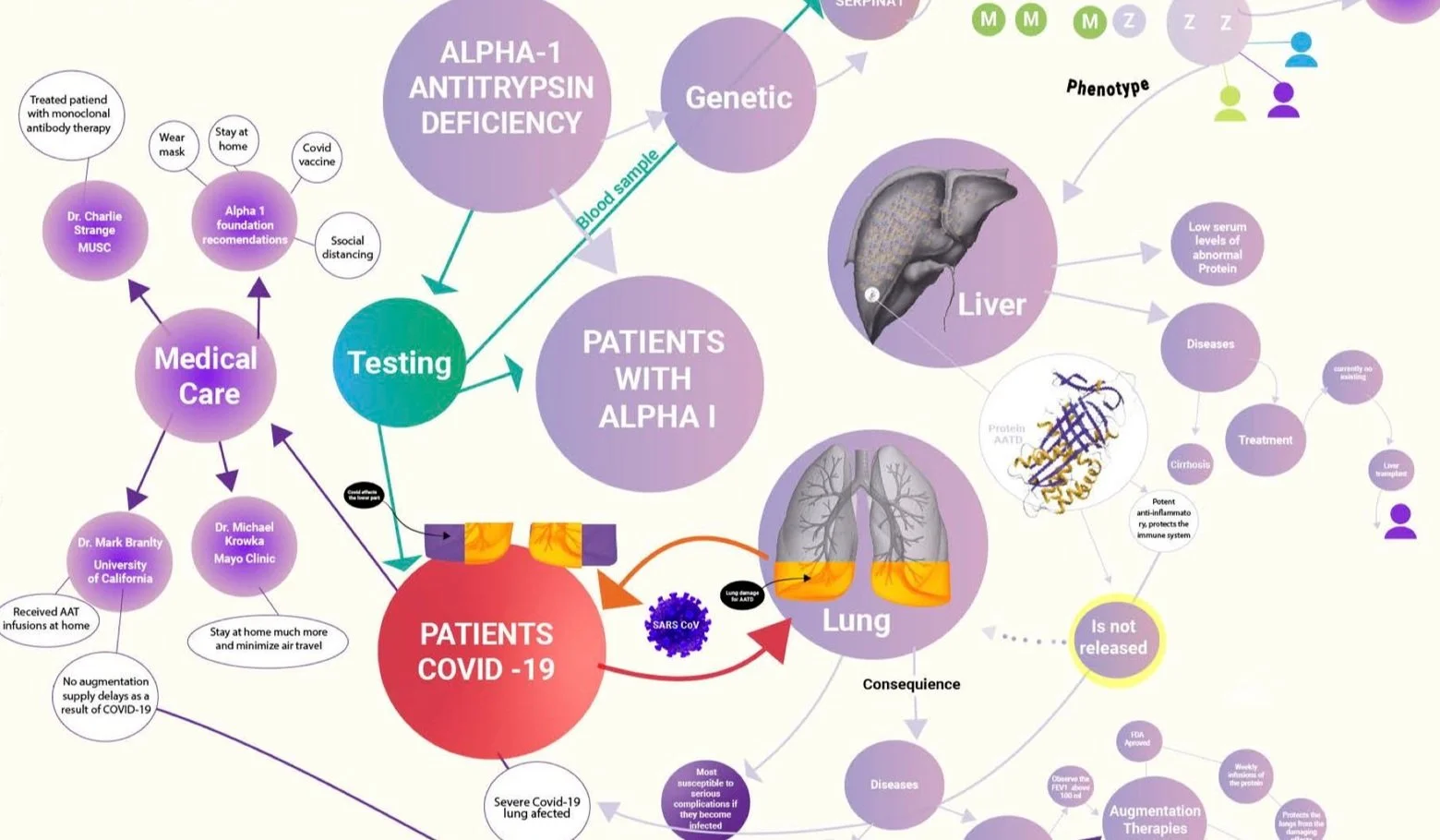
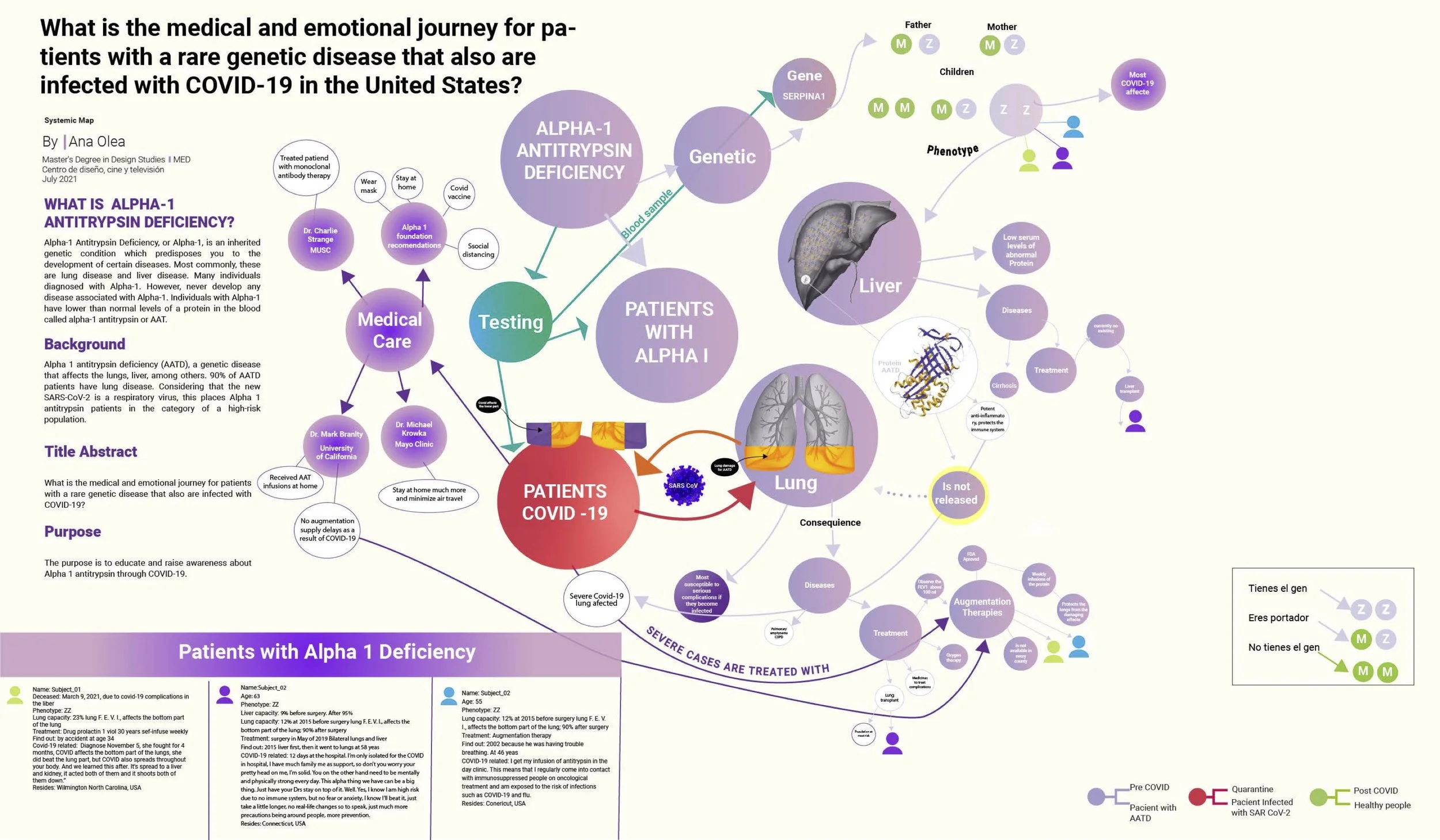
Systemic Map of AATD and COVID-19
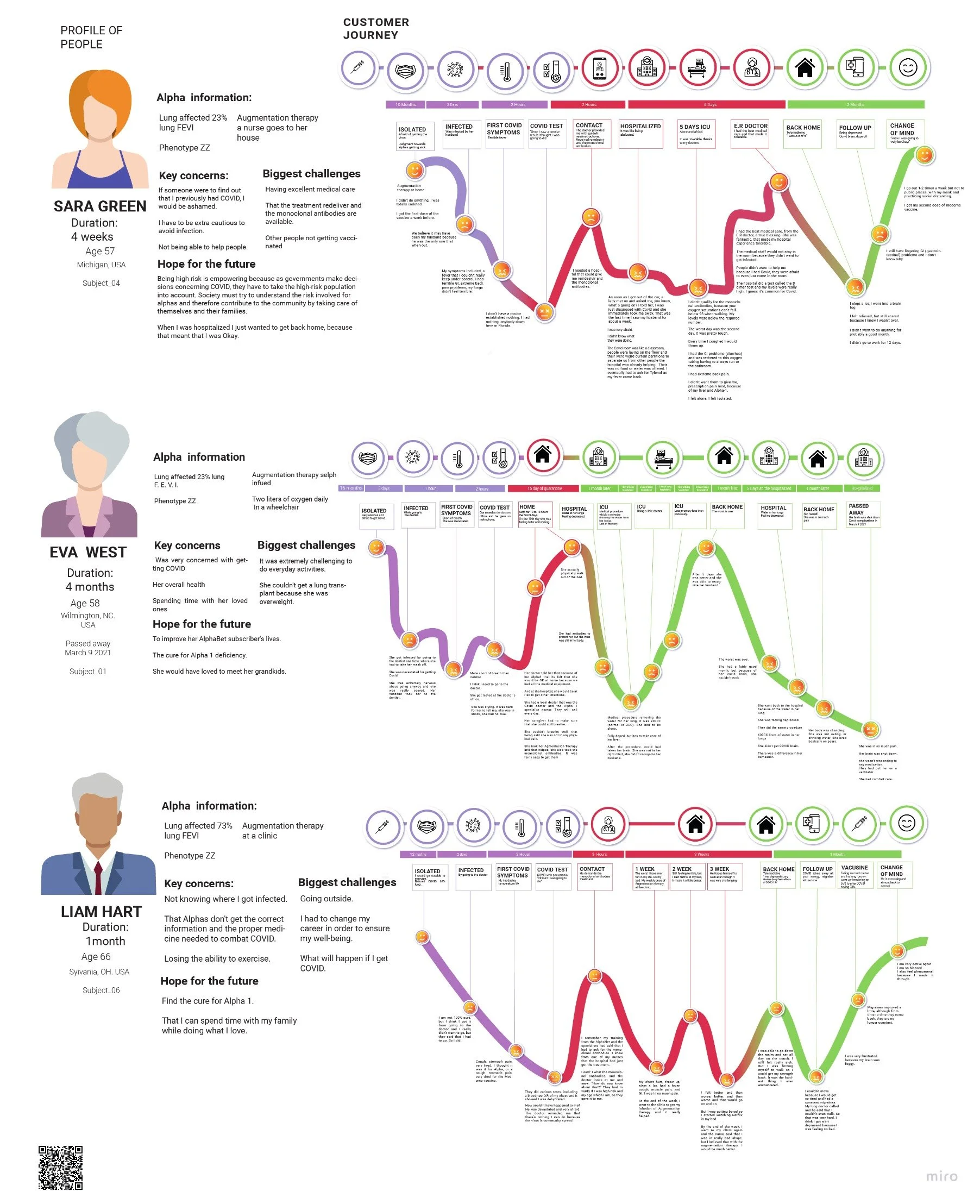
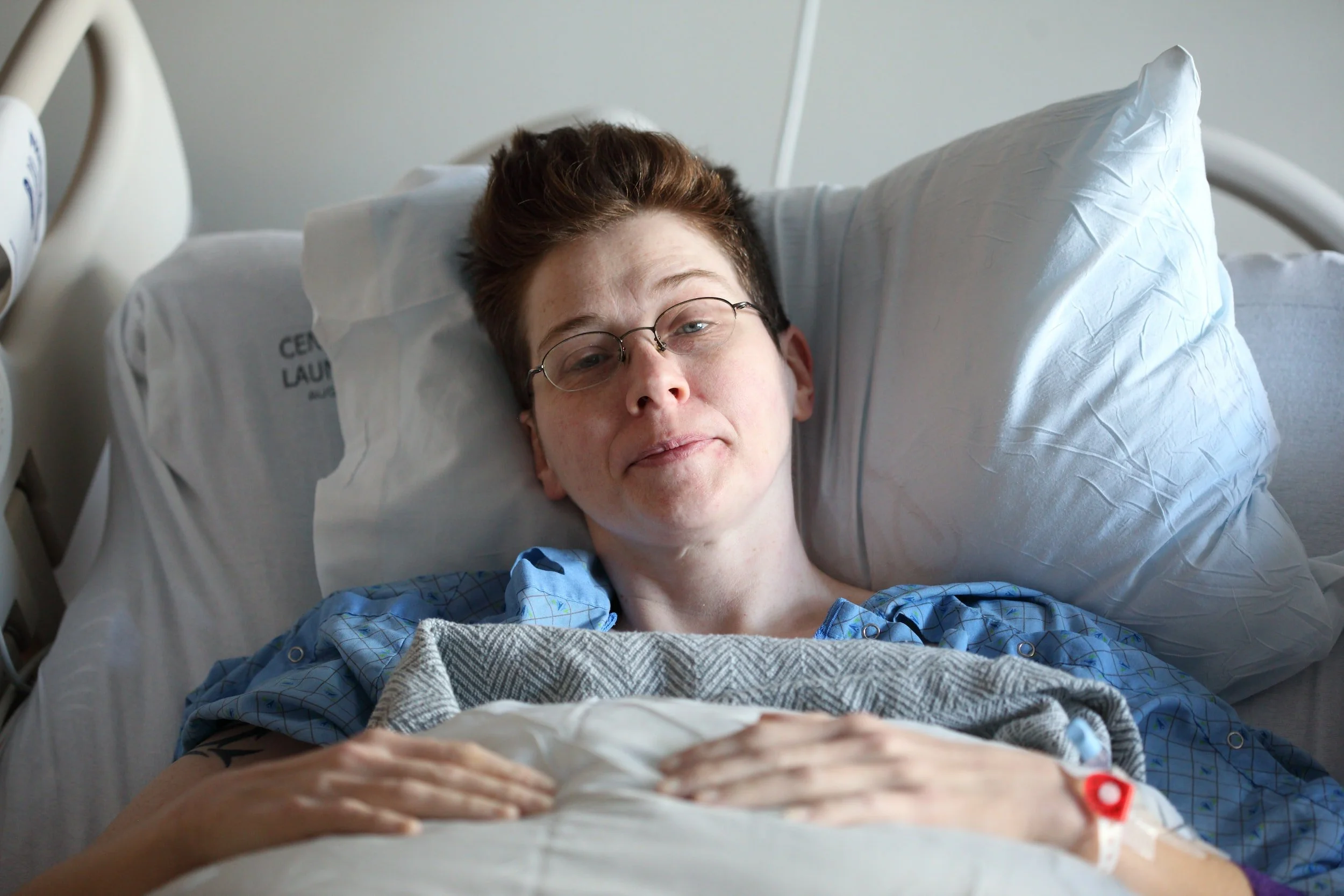
User personas and Journey map of Alpha pacientes
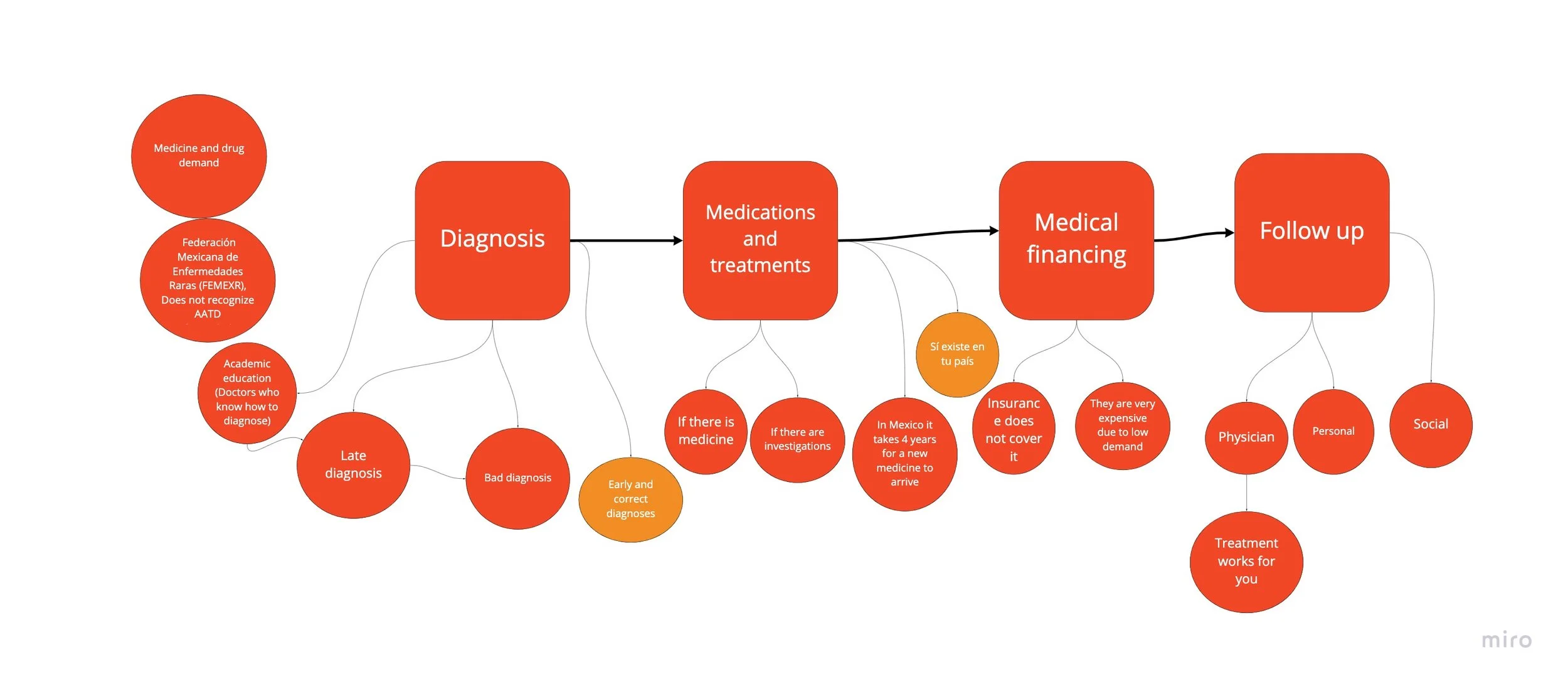
Flowchart of the of the process of rare diseases in Mexico
Stakeholder Map of the Alpha universe
Research Route
1
Finding the problem
Documentary research
2
More research
3
Find the real problem
4
Lobbying of Alphas
5
Contact stackholders
6
Contact patients
7
Conduct the interviews
8
Collecting and analyzing
9
Design academic poster
10
Application to conferees
11
Present at conferences
12
Analyze what I learned
13
Write thesis
14
Conclusion
This research work had three crucial moments:
The research process with the design methods and at the time of visualizing the information in the academic poster and the papers; with the visualization of data, the author contributed in the first moment of the fusion between design studies and the health sector.
The author learned how to visualize data giving weight to emotions.
The patient's findings were shared with the health sector of Rare Diseases by centering the patient in the research (Human-centered design in health care).
The interest of this research was to obtain qualitative data and disseminate it in this sense; the concept of design for health and wellness was implemented for the analysis to better understanding of both disciplines, which was achieved. At the conferences, the visual product was highlighted by the graphics of the academic poster because it made the audience interested in the topic and the patients' own narratives.
The methods of the project also contributed to the research on understanding the findings as the information is entirely patient-focused. The use of the design methods was useful to understand what happens when a high-risk person suffering from AATD contracts COVID-19 user.
In the journey map, the key moments of the experience were implemented; such as Pre COVID-19, quarantine, and Post COVID-19. By making these limitations, the patient could get into the details of the symptoms, decision-making, and, most importantly, his emotional state. By implementing this method, it was possible to visualize and compare the different experiences. Using the patient's profile supports the interviewees' history since it is not only the clinical background but the person as such puts "name and surname" this makes the listener connect more with her because she can visualize the context of the patient and only statistics.
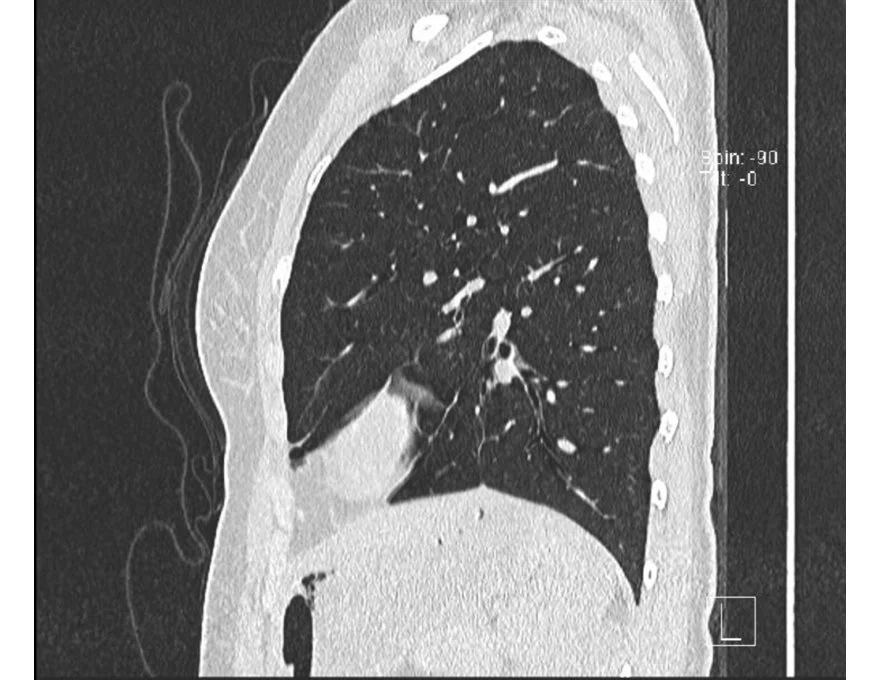
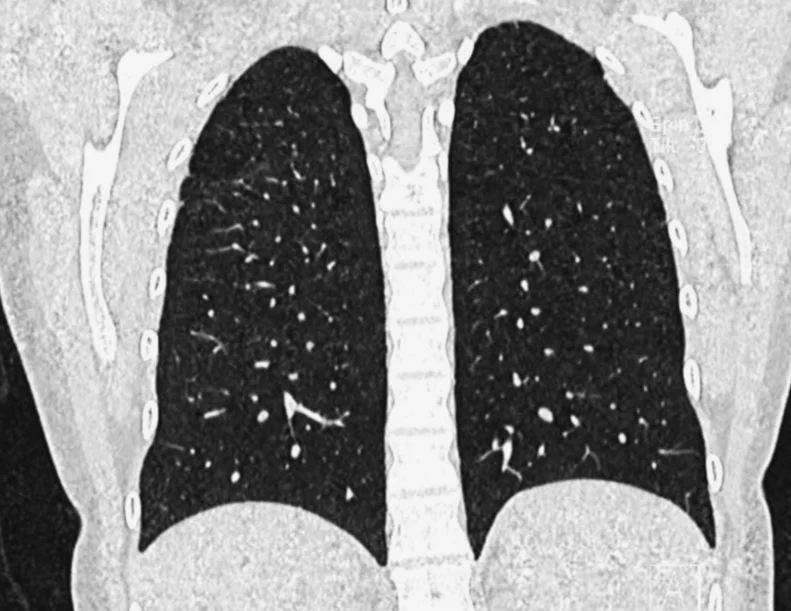
All the lung images are from a AATD patient
By achieving a product led to the patient's empathy with the empathy map technique, the objective of visually narrating the patient's feelings is fulfilled since it adds another element to the experience. This method lets getting into the user's psyche and look at the situation from their point of view. Here, the author understood Alphas's fear of contracting the virus and why it is a shameful component of acquiring it.
The stakeholder map and the systemic map served to understand better the situation and problems of the Alphas about COVID-19. The first helped to detect the actors in the system and the relationships between them; it was seen that many entities are part of the world of the Alphas and that each one has an important role to play. The second helped visualize the problem from a cellular scale to one of the individuals to the social; that is, the protein system was graphed and how the lack of protein affects the liver and the lungs. Hence, how the deficiency affects the patient's life in a pandemic context because they are extremely isolated, prone to third-party investment, and afraid of death and of leaving their home; these were the result of the interviews.
Thanks to both presentations, Poster Session at the NORD Rare Diseases and Orphan Products Summit 2021 (at the international level) and Health with Experts Second Day of RD (Rare Diseases) 2022 at the national level, the dissemination and visibility of AATD to a medical audience was achieved, as well as the relevance of design studies and Design for Healthcare. By carrying out the conference format for the presentation of the current research, the author's objectives were achieved: to disseminate important information about Alpha-1 antitrypsin disease; through COVID-19, people can be aware of this deficiency and raise awareness about what to do and how to treat it using design methods.
On the other hand, patient-physician communication is crucial; the specialist physician must understand where its context is coming so the patient feels listened to and engaged.
What remains to be developed is to find out how many Alphas exist in Mexico and how many have been affected by COVID-19, to fight against under-diagnosis and lack of information about AATD, and to know the current situation of Mexican Alphas who have been infected with COVID-19.
It is important to continue the research on this topic since there is very little information for the user, and it is extremely difficult to be diagnosed; it is another journey to know what steps to take and which treating physician to go to. There are still many questions to be solved, such as the medical financing part and the cure for AATD, among others.
Contact me if interested or want to know more about this topic.